
Shoulder Pain Treatment
Shoulder pain influences nearly everything you do, from lifting groceries to training in the gym to simply finding a comfortable sleep position. The shoulder is the most mobile joint in your body, and that mobility depends on precise coordination between the rotator cuff, scapula, labrum, and upper back. When that balance is lost and stability declines, irritation builds, and pain follows.
Our regenerative orthopedic approach focuses first on tendon health, joint mechanics, and long-term durability. The goal is to reduce pain, restore control, and support a safe return to activity without unnecessary procedures. Care centers on precise diagnosis and regenerative support, including recruitment therapy, before invasive approaches.
Request an Appointment
Learn how regenerative orthopedics may be the answer to your shoulder pain without surgery or medications.
Regenerative Medicine for Shoulder Pain
Regenerative medicine addresses the underlying drivers of shoulder pain, including irritated tendons, joint inflammation, and unstable movement patterns. Rather than masking symptoms, treatment supports your body’s repair response while correcting the mechanical overload that caused the problem in the first place. The focus is structural improvement and functional restoration, not short-term relief.
Personalized Care
Recovery begins with understanding how your shoulder functions in real life, not only how it appears on imaging. We evaluate rotator cuff strength, endurance, and fatigue patterns to assess how well the shoulder withstands load. We assess scapular positioning and coordination during movement, along with active and passive range of motion. We also examine how the neck and upper back contribute to shoulder stress and identify specific tendon or bursal sensitivity.
Advanced Technology
Technology enhances recovery when applied with purpose and precision. Shockwave Therapy stimulates repair in chronic rotator cuff and biceps tendon tissue, especially when healing has stalled. Magnetic Field Therapy helps reduce inflammatory stress and supports cellular recovery. AccuFit activates and strengthens the scapular and rotator cuff stabilizers that keep the joint centered during lifting and overhead motion. Ultrasound guidance improves injection accuracy and allows real-time visualization of tendon and bursal tissue.
Causes of Shoulder Pain
Most shoulder pain develops from load imbalance rather than a single dramatic injury. When stabilizing muscles weaken, the joint experiences small but repeated strain. Over time, repetitive overhead activity can increase irritation of the rotator cuff and bursa. Addressing the mechanical driver behind the pain improves long-term outcomes and reduces the likelihood of recurrence.

Getting a Second Opinion for Shoulder Pain
A second opinion provides clarity when major decisions are on the table. We often include evaluation of regenerative strategies, such as recruitment therapy and movement-based plans, before considering surgery.
Alternatives to Shoulder Replacement Surgery
Shoulder replacement, also known as shoulder arthroplasty, is considered in advanced cases, though it is not typically an initial step. Many patients first benefit from approaches that improve stability and load tolerance before surgery is considered.
Non-surgical care focuses on maximizing rotator cuff strength to reduce stress on joint surfaces, lowering intra-articular inflammation, supporting existing cartilage health, restoring efficient overhead mechanics, and improving scapular control. By improving how the joint functions under load, many patients can delay or avoid replacement.
Shoulder Conditions & Treatments
Shoulder pain can limit movement and impact daily life. Our focus is shoulder-specific, non-surgical care for the most common conditions seen in orthopedic and sports medicine settings.

Rotator Cuff Tear Recovery Without Surgery
Care emphasizes tendon support, improved healing response, and progressive strength restoration.

Shoulder Labrum Tear Recovery Without Surgery
Care focuses on improving joint centering and stability to decrease deep clicking and pain.
Shoulder Impingement
Treatment improves joint control and movement patterns to reduce pinching during elevation.
Biceps Tendon Pain
Treatment supports healing at the front of the shoulder and reduces overload during pulling and pressing.
Shoulder Instability
We retrain stabilizing muscles to prevent slipping or shifting sensations.
Shoulder Arthritis
Care aims to improve load tolerance, joint support, and functional movement.
AC Joint Pain
Treatment balances forces at the top of the shoulder to reduce focal stress.
Chronic or Unexplained Pain
We identify mechanical contributors that may not have been fully recognized in prior evaluations.
Evaluation, Diagnosis and Treatment Plans
Diagnostics & Evaluation
Movement and Mechanics Assessment
We evaluate your shoulder during lifting, reaching, and overhead motion to measure real-world strength, alignment, and load tolerance. This reveals how the joint behaves under stress, not just at rest.
Targeted Shoulder Examination
We isolate the rotator cuff, labrum, biceps tendon, AC joint, and surrounding stabilizers to identify the primary pain generator.
Advanced Imaging When Needed
Ultrasound evaluates soft-tissue quality and inflammation, while X-ray assesses bone alignment and joint space, when indicated.
Treatment Plans
Treatment plans combine regenerative support, structured strength progression, and movement retraining. As pain decreases and function improves, the plan evolves to match your progress.
Treatments & Personalized Care Plans
Regenerative orthopedics supports natural healing. We combine regenerative treatments, advanced technology, and targeted rehabilitation. Care restores shoulder function without surgery. Plans align with your diagnosis, tissue involvement, and movement demands.
Regenerative Treatments
Biologic therapies reduce inflammation and support the repair of rotator cuff tendons, labrum, cartilage, and supporting soft tissue. Treatment selection follows the condition and severity. We do not follow preset injection protocols. We treat the exact structure driving pain.
Rehab and Activity Planning
The shoulder depends on coordinated movement between the rotator cuff, scapula, and upper back. We guide:
- Scapular control and stability
- Rotator cuff strengthening
- Load progression for overhead activity
- Posture correction and upper back activation
- Sport or work-specific movement retraining
Advanced Technologies for Shoulder Pain Treatment
Advanced regenerative options that target the tissues inside your shoulder. These treatments lower inflammation, support repair, and improve joint function so you move with less pain.
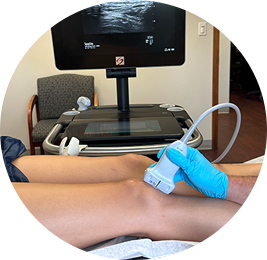
Advanced A2M/PRP
Concentrated biologic treatments support tendon repair, reduce inflammatory stress, and help protect joint surfaces.
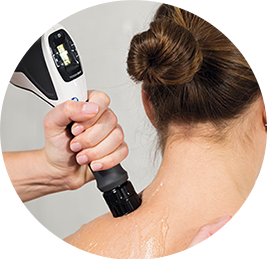
Shockwave Therapy
High-energy sound waves stimulate circulation and promote healing in chronic tendon injuries that have not responded to rest or therapy.
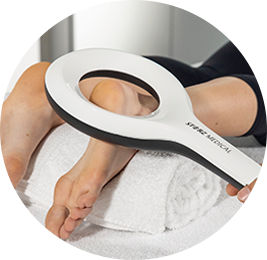
Magnetic Field Therapy
This non-invasive approach supports the control of inflammation and cellular recovery.
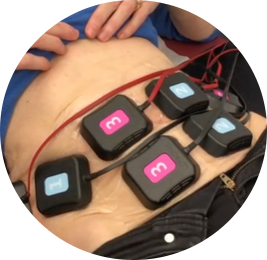
AccuFit
Accufit technology uses musculoskeletal assessments to tailor shoulder-specific plans that target weak areas and build stronger, more stable shoulder muscles.
Shoulder Pain FAQs
Why does shoulder pain worsen at night?
When you lie on your side, inflamed tendons and bursae experience increased compression, which raises pressure and discomfort.
Do partial tears require surgery?
Many partial tears respond well to regenerative support combined with structured strength restoration and movement correction.
Why does overhead movement hurt?
If stabilizing muscles are weak, the joint may not stay properly centered during elevation, increasing tendon strain.
What are the most common causes of shoulder pain?
The most common causes include rotator cuff tendon injury, bursitis, biceps tendon irritation, labral injury, and arthritis. Pain often develops gradually from repetitive overhead activity, poor shoulder mechanics, or muscle imbalance. It can also follow a fall, lifting injury, or age-related tissue changes. In many cases, irritation builds over time before symptoms become obvious.
Can neck problems cause shoulder pain?
Yes. Shoulder pain can originate from the cervical spine even when the neck does not feel stiff or painful. Nerve irritation in the neck may refer pain into the shoulder blade, upper arm, or front of the shoulder. A proper evaluation looks at both regions to avoid missing the true source.
How is the cause of shoulder pain diagnosed?
Diagnosis begins with a detailed movement and strength assessment. We evaluate the range of motion, rotator cuff endurance, scapular control, and shoulder performance under load. Imaging may include X-rays to assess joint space and bone alignment, and ultrasound to evaluate tendons, bursae, and soft-tissue quality in real time.
Is surgery always necessary for a rotator cuff tear?
No. Many partial tears respond well to structured strengthening, load modification, and regenerative support. Surgery is typically reserved for complete tears, significant weakness, or cases that fail appropriate non-surgical care.
What are the non-surgical options for relief?
Non-surgical care may include targeted rehabilitation to restore mechanics, activity modification, anti-inflammatory strategies, Shockwave Therapy, magnetic field therapy, and regenerative treatments such as Advanced A2M/PRP Therapy when appropriate. The right combination depends on your diagnosis and functional goals.
Meet Our Patients
Join thousands choosing alternatives to surgery. Our patient’s success stories show what’s possible when you choose to let your body heal itself.

Annie’s Story
Annie chose advanced A2M/PRP treatment instead of a knee replacement when pain stopped her from doing the things she loved.

Tammy’s Journey
Tammy was told a knee replacement was her only option. Choosing SmartLife, she’s back to hiking which didn’t seem possible without major surgery.
Request an Appointment
If you’re experiencing muscular pain or a joint-related injury, our care team is here to help. The first step is scheduling a consultation appointment with our board-certified orthopedics physician to review your symptoms and discuss a diagnosis and personalized treatment plan.
Complete the form below to share your symptom(s) and additional health information. Our team will review the information and call you to discuss setting up your consultation in our clinic.